
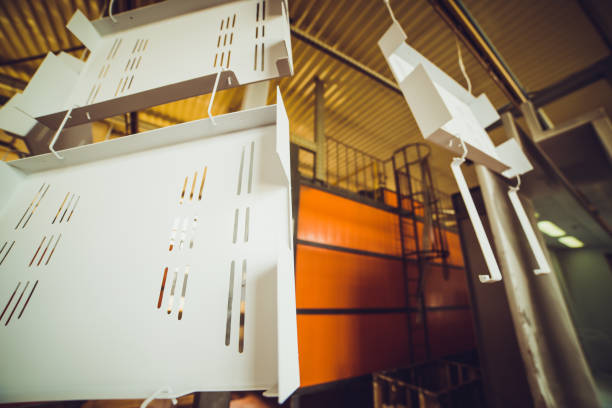

Brushed aluminum railings and sleek metal facades aren’t just the work of clever design—they’re powered by machines behind the scenes. In architecture, metal finish isn’t just about appearance; it’s about endurance, precision, and innovation. Thanks to modern powder coating machines, architectural elements are seeing serious upgrades that go far beyond the surface.
Electrostatic Technology Enhances Surface Bonding Strength
A standout feature of today’s powder coating machines is the use of electrostatic application. This process gives each powder particle an electrical charge, allowing it to cling to metal surfaces with an incredible grip. That bond doesn’t just ensure good coverage—it lays the groundwork for long-lasting finishes that hold up in both harsh and high-traffic environments. Architects and builders now trust powder-coated finishes to stay intact through seasons of wear, reducing the need for constant refinishing.
In the past, paint adhesion was a weak link in architectural metalwork. But now, electrostatic technology improves the way finishes latch onto intricate surfaces, including grilles, louvers, and multi-angled trims. This bonding strength prevents flaking and boosts corrosion resistance. That means fewer callbacks, stronger warranties, and better performance from the materials architects choose for commercial or residential projects.
Layer Uniformity Creates Sleek Architectural Profiles
One of the hardest things to achieve with traditional coatings was a smooth, even surface across large or oddly shaped metal elements. Powder coating machines solve this by applying a consistent layer of powder that melts and fuses into a smooth shell during the curing phase. The result is a flawless finish, no brush marks or spray blotches in sight.
Architectural profiles—like facades, window frames, and cladding panels—benefit enormously from this even layering. It keeps lines sharp and colors consistent from one piece to the next. More importantly, it gives a refined, premium look that elevates the overall aesthetic of a building. A well-coated profile catches light in a clean, modern way that painted finishes rarely match.
Thermal Stability Provides Lasting Finish Integrity
Metal buildings and structural elements often face wide temperature swings. Without the right finish, those changes can lead to cracking, blistering, or fading. Powder coating machines work with curing ovens to create a thermal bond that withstands extreme temperature changes without losing its integrity. It’s not just about protection—it’s about preserving the design.
Architects are designing more outdoor metalwork, from pergolas to signage to full façade panels. These pieces need to endure hot summers and freezing winters. The powder curing process ensures that the finish won’t peel or degrade, even when the metal expands and contracts. With powder-coated surfaces, those beautiful tones and textures stay looking fresh year after year.
Eco-Conscious Coating Methods Elevate Sustainable Designs
● Zero solvents mean no VOC emissions
● Overspray can be reclaimed and reused
● No wastewater from cleaning brushes or rollers
Sustainability isn’t just a trend—it’s part of responsible design. Powder coating machinessupport green building goals by reducing waste and eliminating toxic emissions. Unlike wet paint, powder contains no harmful solvents, which means cleaner air and safer working conditions. And with modern application systems, any excess powder can be collected and reused, cutting down on materials cost and environmental impact.
This eco-friendly process lines up perfectly with the goals of many LEED-certified projects. Architects and builders focused on environmental performance are turning to powder-coated metal to meet both durability and sustainability needs. It’s an investment that supports green innovation without sacrificing quality.
Impact-Resistant Surfaces Revolutionize Exterior Durability
In high-traffic zones or exposed areas, metal finishes take a beating. Powder coating machines produce finishes that are far more resistant to chipping and dents than liquid paints. This impact resistance makes them perfect for door frames, railing systems, and exterior panels that face regular contact or environmental stress.
Buildings in urban settings or industrial zones especially benefit from this added toughness. Powder-coated surfaces keep their sleek appearance longer, even after years of bumps, scrapes, or occasional impacts. That translates to lower maintenance costs and a consistently professional appearance.
Consistent Particle Distribution Boosts Architectural Appeal
Uniformity in finish isn’t just for looks—it affects the way light reflects and how color is perceived. Powder coating machines apply particles evenly across surfaces, reducing shadowing or color shifts. That consistency becomes even more important across multiple panels or architectural sections where matching matters.
Whether it’s a shimmering silver canopy or a rich matte black trim, even particle spread ensures design intent is respected from blueprint to final build. Architects can rely on the fact that what they specify will look the same in the field—no surprises, no mismatched sections.
Rapid Cure Capabilities Improve Production Efficiency
Speed matters in modern construction timelines. New powder coating machines offer rapid cure technology that shortens the finishing process significantly. This means faster turnaround times for coated metalwork, helping suppliers keep up with tight project schedules.
Faster curing doesn’t mean compromised quality. The powder still bonds just as thoroughly, but in a fraction of the time compared to older systems. For manufacturers and contractors, this shift leads to quicker delivery, smoother project flow, and less downtime waiting on finishes to dry or cure. It’s a game-changer in high-volume environments.