
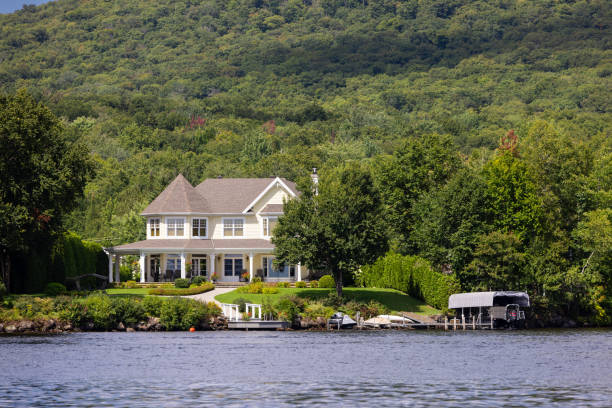

Owning property by the water has long symbolized comfort, exclusivity, and a certain rhythm of living that draws people closer to nature. Determining the market value of such homes, however, involves more than square footage and style—it’s about how the setting interacts with the property itself. For those comparing lake houses near me or searching through waterfront homes for sale, understanding these factors can uncover why some homes command a higher premium than others.
Shoreline Orientation and Its Effect on Resale Yield
The direction a home faces along the shoreline influences its light exposure, views, and even temperature balance throughout the day. West-facing properties often draw higher resale values because of the appealing sunset views that create a sense of tranquility and exclusivity. Buyers tend to pay more for visual experiences that can’t be replicated, which is why waterfront property positioned for scenic perspectives maintains stronger long-term value.
In contrast, homes facing shaded or wind-exposed sides of a lake may sell for slightly less, even if they feature similar amenities. Orientation determines how the home interacts with natural light and weather, directly affecting the daily comfort of the living spaces. For those seeking lakefront property with investment potential, shoreline direction is a subtle yet powerful influence on resale yield.
Comparative Price per Square Foot Across Similar Estates
Price per square foot is a reliable metric for gauging property value, but it must be compared carefully across similar waterfront homes. A 3,000-square-foot house on a deep-water lot can carry a much different valuation than a comparable property in a shallow bay area. Proximity to open water, view clarity, and usable shoreline depth often justify higher price ratios.
Assessing comparable sales among lake front homes for sale helps establish a benchmark for fair pricing. However, no two lakefront estates are entirely alike, so adjustments are often necessary based on features like boathouses, docks, or elevation levels. Understanding these differences allows buyers and sellers alike to assess the true market position of a lake house for sale with confidence.
Amenity Integration and How It Enhances Valuation
Amenities that align with lakefront living elevate both enjoyment and value. Properties featuring private docks, fire pits, or multi-level decks attract higher offers because they enhance the outdoor experience. Buyers envision time spent fishing, boating, or hosting gatherings by the water, making these additions key to perceived worth.
Inside the home, integrated amenities such as panoramic windows or lake-view suites play an equally strong role in valuation. Functional luxury—like outdoor kitchens or seamless access to the shoreline—can add significant appeal in listings of waterfront property for sale near me. Each enhancement contributes to a property’s emotional and financial draw, shaping how buyers interpret value beyond the appraisal figures.
Infrastructure Accessibility and Its Impact on Marketability
The best lake homes balance seclusion with accessibility. Properties located near major roads or within minutes of essential services maintain broader buyer interest and stronger resale potential. Accessibility ensures convenience, which modern buyers often weigh just as heavily as natural beauty.
Limited access, such as steep driveways or long distances from town centers, can narrow the buyer pool and affect market timing. For those searching for lake homes for sale near me, factoring in infrastructure access helps determine not only livability but also how easily a property can be marketed in the future. Marketability rises when comfort meets convenience, even in serene waterfront settings.
Lot Depth Variance and Its Influence on Purchase Premium
Lot depth can make or break a deal on waterfront property for sale. Deep lots offer more usable space for landscaping, privacy, and potential expansions, while shallow lots may restrict how much of the property can be developed. The added depth often translates into higher appraised values because it gives owners greater flexibility in how they use the land.
Deeper lots also allow for safer construction distances from the shoreline, protecting against erosion or water level fluctuations. For buyers comparing waterfront homes, lot variance explains why properties with similar frontage can differ drastically in asking price. This factor becomes especially important for investors seeking stability in both enjoyment and appreciation.
Seasonal Occupancy Patterns Affecting Long-term ROI
Lakefront markets experience noticeable seasonal shifts in both demand and return potential. Many buyers view waterfront homes as seasonal retreats, creating value fluctuations that depend on tourism and weather cycles. Understanding how occupancy patterns affect rental or resale potential helps determine realistic return expectations.
In regions with extended warm seasons, year-round usability can increase overall ROI. Conversely, areas prone to harsh winters might see lower off-season activity but still maintain high summer premiums. Analyzing these cycles helps investors identify which lake house for sale aligns best with their long-term financial goals.
Structural Fit-out Quality As a Determinant of Value Stability
The internal build quality of a lakefront home directly influences its stability and market value. Structural components like foundation integrity, window sealing, and moisture barriers are particularly vital for properties near water. High humidity levels and fluctuating soil moisture can test materials, making superior construction a major selling point.
Finishes and craftsmanship further differentiate upscale lakefront properties from standard builds. Homes featuring marine-grade materials, energy-efficient glazing, and reinforced framing maintain better long-term performance. These details support steady valuation across time and reduce depreciation risks often seen in older waterfront property listings.